
Beyond Child’s Play

How pressure replaces possibility — and how kids can get it back.
I was lucky to win many championships throughout my childhood.
World Cups. Super Bowls. Wimbledon. The US Open.And a few others I’ve probably forgotten.
All of them were played on my home turf — my backyard, our public park, or whatever wall I could throw, kick, or hit a ball against.
My childhood home sits on a hill with two sides of the property being held in place by a concrete retaining wall. Nothing special. Just a typical concrete wall, painted white,
if memory serves me correctly. But if you looked closely — really looked — you’d notice a small section of that wall worn a bit differently than the rest.

That was my place.
I hammered thousands of shots into that wall. Receiving imaginary passes from midfield.
Threading game-winning balls through defenders.
Scoring in the dying seconds of stoppage time.
Each “goal” felt as real and exhilarating as the one before it. In my mind, I was carrying the country on my shoulders.

I didn’t have to go far for those Super Bowl victories either — just on the other side of the house. Often, as Terry Bradshaw, I’d drop back and unleash a perfect spiral to a friend or neighbor who took on the role of Lynn Swann, hauling in an over-the-shoulder catch
while lying out in mid-air. Back then, it felt like the pinnacle of athletic achievement. Today, it might not even make a highlight reel. But when you’re nine years old, it’s everything.
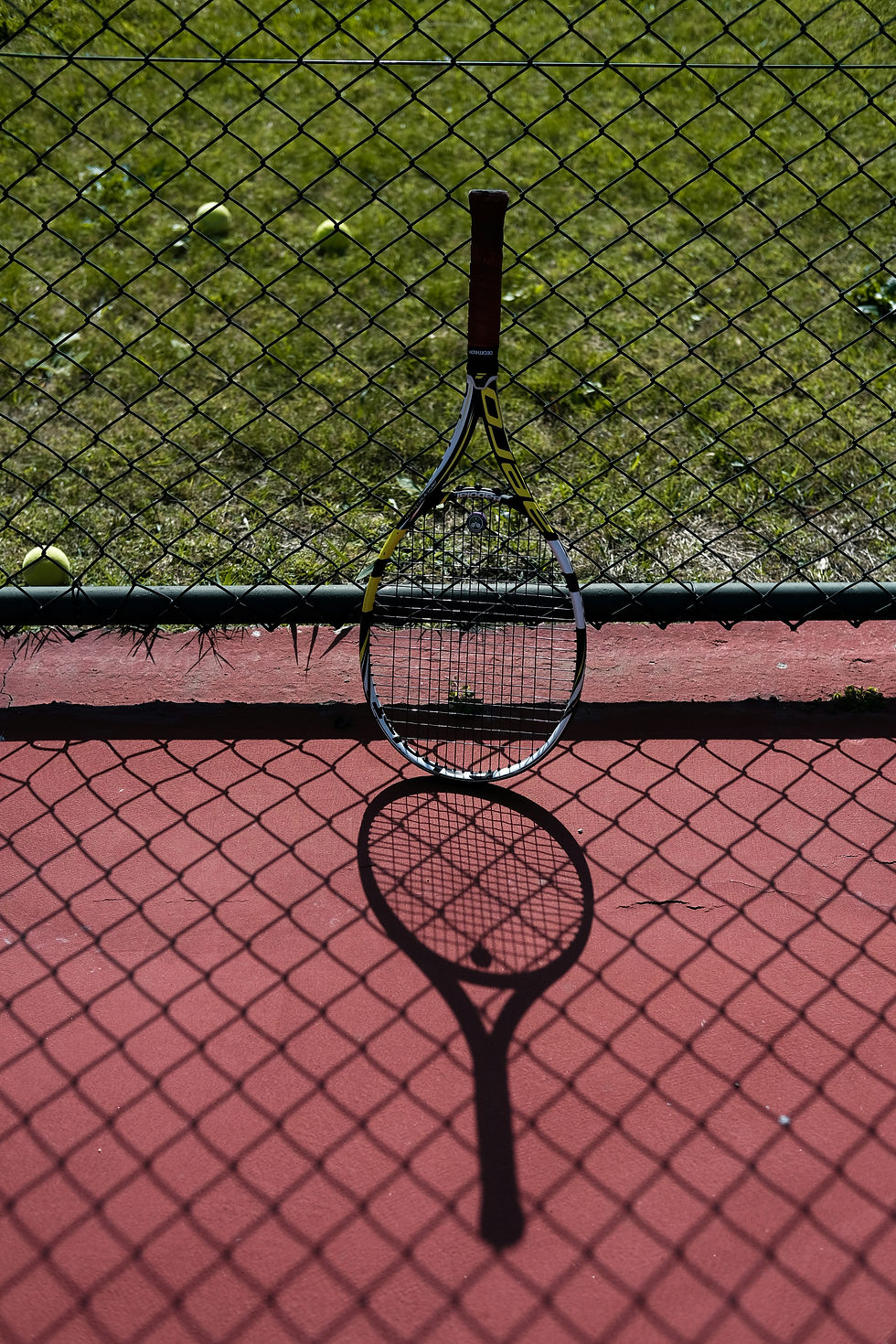
And the tennis titles. Typically, the US Open or Wimbledon; I can’t recall if the others snuck in. These matches were played out, under the fading light, at the public courts just a block away from my other arenas. I’d stand across from a worn green rebound wall with the remnants of a white strip of tape representing the net. It was there I’d take down the giants of the day with my twangy aluminum racquet and an endless imagination.
And here’s what strikes me now as I reflect:
In those moments, I didn’t fold. I didn’t lack confidence. I didn’t hesitate to try the left-footed shot, the bicycle kick, or any of the wild things I saw athletes attempt on TV.

There was:
No audience.
No comparisons.
No instruction.
No pressure to impress anyone.
No fear of letting someone down.
Just a kid being a kid — dreaming big, trying things, and pushing past the edges of what I
thought I could do.
But somewhere along the way, something changes.
We step out of that bubble.
Join our first team.
The coaches show up.
The parents gather.
The expectations grow louder.
And suddenly, the same kid who was slaying giants in his backyard starts worrying about things completely outside his control:
“What if I mess up? “What if I’m not good enough? “What if I disappoint my coach, my parents, my teammates?”
That’s when a different kind of fear settles in.
And here’s what I’ve come to believe:
It’s not a fear of failing.
I failed a million times on that retaining wall.
It’s the fear of being seen as a failure.
The fear of being judged.
The fear of being exposed.
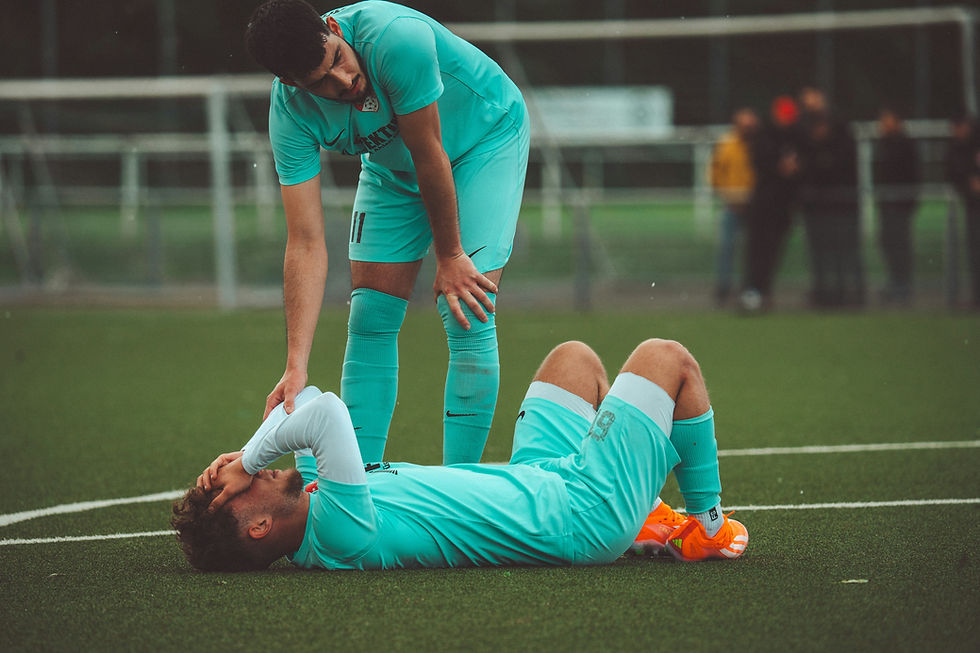
All of this is natural to some extent. It’s part of our growth process.
The stakes rise, the pressure follows, and none of that is surprising.
The real challenge is that we often don’t yet have the tools to handle that pressure when it shows up.
What I realize now is the kid on that retaining wall never needed someone's approval to go for it. No one was there to correct his technique or to tell him he was doing it wrong. He wasn’t performing; he was exploring, learning, growing.
If we can help young people reconnect to that version of themselves — the one who takes risks without an audience — confidence becomes something they carry, not something they chase.
And honestly, in the end… is there any better skill we can help them cultivate?


Comments